
-
Co-Parenting: A Path to Positive Parenting After Separation

Co-parenting, the practice of raising children in a shared effort between two separated or divorced parents, can be a challenging yet rewarding journey. Unlike traditional parenting, where both parents live together, co-parenting requires cooperation, communication, and a shared commitment to the well-being of the children. It is a dynamic and evolving process that can deeply impact the emotional and developmental growth of children involved. This article delves into the essentials of co-parenting, its challenges, and the strategies to make it work.
What is Co-Parenting?
Co-parenting refers to the collaborative effort of two parents who are no longer in a romantic relationship but still share the responsibility of raising their children. This arrangement may follow a divorce, separation, or a situation where parents were never married. Co-parents are expected to maintain a cooperative relationship, regardless of personal feelings toward each other, to provide consistency, emotional support, and stability for their children.
Effective co-parenting means both parents actively participate in decision-making, such as schooling, health care, and social activities, while maintaining separate homes and lifestyles. The goal is to ensure that the child feels loved, secure, and supported by both parents, regardless of the family structure.
Challenges of Co-Parenting
While the idea of co-parenting sounds ideal, it is often fraught with challenges. Emotions can run high, especially in the aftermath of a breakup, and it can be difficult for parents to prioritize their child’s well-being over their personal feelings.
- Emotional Residue from the Past: After a breakup, unresolved feelings of anger, hurt, or resentment can hinder effective communication and decision-making. These emotions may be projected onto the child, potentially creating tension and confusion.
- Different Parenting Styles: Co-parents may come from different backgrounds and have varying approaches to discipline, education, or health care. Discrepancies in parenting styles can lead to inconsistency, which is confusing for children and may cause them to feel torn between two different sets of rules.
- Time and Financial Strain: Managing separate households requires time, energy, and finances. For some co-parents, the logistical challenges of scheduling, transportation, and child support payments can create added stress.
- Lack of Communication: Clear communication is crucial in co-parenting. Miscommunication or lack of communication can lead to misunderstandings and conflict. Parents who fail to maintain an open line of communication may experience difficulty in making decisions that are in the best interest of the child.
- Jealousy or Guilt: One parent may feel left out or experience jealousy if the child forms a close relationship with the other parent’s new partner. Guilt can also arise, particularly for the parent who does not have primary custody, leading to overcompensation or avoidance of necessary boundaries.
How to Make Co-Parenting Work
Despite the challenges, co-parenting can be successful with the right mindset and strategies. Below are some practical tips for making co-parenting work effectively.
1. Prioritize the Child’s Best Interest
The most important aspect of co-parenting is putting the child’s needs above personal grievances or desires. When both parents focus on what is best for their child, it becomes easier to navigate the emotional complexity of the situation. This means making decisions based on the child’s emotional, physical, and psychological well-being, rather than prioritizing adult concerns.
2. Maintain Open and Respectful Communication
Effective communication is the foundation of any successful co-parenting arrangement. Parents should aim to maintain a professional and respectful tone when discussing matters related to their child. Regular updates about the child’s activities, health, and milestones can help create transparency and foster a sense of trust.
It is essential to avoid using the child as a messenger between parents, as this can place them in the middle and increase stress. Instead, use tools like emails, texts, or co-parenting apps to exchange information or coordinate schedules.
3. Develop a Co-Parenting Plan
A co-parenting plan is a formal agreement that outlines custody arrangements, visitation schedules, financial responsibilities, and other parenting decisions. This plan should be flexible and adaptable to accommodate the child’s changing needs as they grow.
Both parents should agree on routines, rules, and expectations regarding discipline, screen time, bedtimes, and education. Having a clear and mutually agreed-upon plan helps to reduce conflicts and provides consistency for the child.
4. Set Boundaries and Respect Each Other’s Space
While co-parents are partners in raising their children, it’s important to respect each other’s personal boundaries. Both parents should have the autonomy to maintain their own lives outside of the co-parenting relationship. This includes respecting new relationships and setting appropriate boundaries regarding interactions with the child.
Respecting space also means not discussing personal grievances or adult issues in front of the child. Children should not be burdened with adult matters or be forced to take sides.
5. Be Flexible and Adaptable
Children’s needs and schedules will evolve over time, and flexibility is key to effective co-parenting. There will be situations when changes to the routine are necessary due to a child’s school activities, illness, or family events. Both parents must be willing to adjust and compromise when needed.
Being adaptable also means being patient and understanding when problems arise. The goal is not to “win” but to create a stable, supportive environment for the child.
6. Seek Professional Help if Necessary
Co-parenting is not always easy, and there may be moments when professional guidance is needed. Family therapists or mediators can help parents navigate difficult emotions, resolve conflicts, and improve communication. If disagreements become particularly contentious, professional support can assist in creating a more productive co-parenting relationship.
Conclusion
Co-parenting may present challenges, but it is ultimately about creating a positive and nurturing environment for the child to thrive in, despite the changes in family structure. When both parents commit to prioritizing their child’s needs, communicating openly, and maintaining mutual respect, co-parenting can be a successful arrangement. By embracing flexibility, setting boundaries, and working through conflicts, parents can provide the consistency, love, and stability that children need to flourish during times of transition.
-
How to Choose the Right Boxes for Shipping Fragile Items

Shipping fragile items can feel like navigating a minefield, especially if you’ve ever received a shattered product. I once received a ceramic vase that looked like it had gone through a war zone, and it was all due to poor packaging. Whether you run an eCommerce store or just need to send a fragile item to a friend, the correct box for shipping can make all the difference. Today, let’s dive into how to choose the best boxes for shipping delicate goods so they arrive safe and sound.
Why Choosing the Right Shipping Box Matters
Fragile items are, well, fragile. Whether you’re dealing with glassware, ceramics, electronics, or anything else prone to breaking, the type of box for shipping you use can make or break (pun intended) the safety of your items. Using the wrong kind of box, even if it’s just a tad too big or too flimsy, can result in damaged goods, unhappy customers, and additional costs for replacements.
If you’re sending a fragile item, you need to think beyond just a box that fits—one that protects. Let’s explain how to select the correct shipping box and packaging materials.
Choosing the Best Box for Shipping Fragile Items1. Pick the Right Size Box
Grabbing a big box and calling it a day is tempting, but oversized boxes can cause more harm than good. When a box is too big, your item will have room to move around, which increases the risk of breakage. Instead, choose a box for shipping that is just large enough to comfortably hold the item while leaving enough space for cushioning materials.
Think about it: Have you ever opened a package and found that the item was bouncing around inside? Even if the box is padded, too much open space can leave fragile items vulnerable to impact during transit. Ideally, you want to limit movement within the box as much as possible.
2. Opt for Corrugated Boxes
Only some boxes will do the shipping of fragile items. You’ll want to use corrugated boxes designed for added strength and durability. Corrugated boxes have multiple layers, making them more rigid than standard cardboard boxes and better at absorbing impacts.
I once made the mistake of using a flimsy box to ship a set of wine glasses to a customer. Needless to say, they didn’t survive the journey. Since then, I’ve relied exclusively on corrugated boxes for anything remotely breakable—lesson learned!
3. Use Double Boxing for Extra Protection
Double boxing is an excellent strategy if the item is particularly fragile or valuable. It involves placing the item inside a box, padding it thoroughly, and then placing that box inside a larger box with even more padding.
This extra layer helps cushion against the impacts that occur during transit. While it may seem overkill, it’s worth it for high-value or highly delicate items. When in doubt, it’s better to overprotect than under-protect.
Packing Material Essentials for Fragile Items
Selecting the correct box for shipping is only part of the equation. Packing materials are equally important for ensuring your fragile items survive the journey. Here are the essentials:
1. Bubble Wrap
Bubble wrap is a classic, and for good reason. It provides excellent cushioning for fragile items and can be used to wrap items of almost any shape or size. Make sure to wrap your item fully, paying extra attention to corners and edges.
When wrapping items, use multiple layers of bubble wrap. Don’t skimp—if you can’t see the item through the wrap, you’re doing it right.
2. Packing Peanuts
Packing peanuts are great for filling the gaps inside a box. Once your item is wrapped in bubble wrap, place it inside the box and fill any empty spaces with packing peanuts. This ensures that your item stays in place during transit, reducing the chance of damage.
However, be mindful of using peanuts effectively—they should surround your item to keep it from shifting, but not be packed so tightly that they put pressure on it.
3. Foam Inserts and Dividers
Foam inserts and dividers can provide additional stability for particularly delicate items or have multiple components. For example, if you’re shipping a set of wine glasses, foam dividers can prevent them from knocking against each other.
Seal It Up: Taping the Box Correctly
Once your item is securely packed, it’s time to seal up your box for shipping. Use high-quality packing tape—cheap tape can peel off, leaving your package vulnerable. Apply at least three strips of tape along the top and bottom seams of the box, and add extra tape to any corners or edges that seem prone to splitting.
A handy tip I learned after a few mishaps is the “H” taping method: apply tape along the central seam and then across the edges, forming an “H” shape. This method helps reinforce the box, ensuring it stays closed even if tossed around.
Labeling Your Package as “Fragile”
Labeling the package is a crucial but often overlooked step. Marking your box as “FRAGILE” can alert handlers to take extra care. You can use pre-made labels or simply write them in large, bold letters with a permanent marker. While this doesn’t guarantee gentle treatment, it can help reduce the risk.
While you’re at it, include labels such as “This Side Up” to indicate the correct orientation for your package. This is especially useful for fragile items in certain positions.
Handling Specific Fragile Items1. Glassware and Ceramics
Glassware and ceramics require extra attention when being packed. If shipping multiple items in one box, wrap each piece in bubble wrap and place dividers between them. Make sure the bottom of the box is well-padded—a couple of inches of packing peanuts or foam sheets can do wonders for protecting these delicate items.
2. Electronics
Electronics often come with sensitive components that can be easily damaged. Wrap the item in anti-static bubble wrap to avoid any static charge that could harm the device. Double boxing is beneficial with electronics, as it adds a protective layer against shocks.
3. Artwork and Mirrors
For flat, fragile items like artwork and mirrors, use a specialty box for shipping flat objects. Corrugated boxes are plentiful here, providing enough rigidity to protect against bending. Use edge protectors and ample bubble wrap, and consider double boxing for additional security.
The Best Source of Boxes for Shipping Fragile Items
If you need shipping boxes that provide durability and quality protection, consider The Boxery. The Boxery offers a wide selection of corrugated boxes, packing materials, and shipping supplies designed to help ensure your items arrive safely. They understand that choosing the correct box for fragile items is vital to customer satisfaction and a worry-free shipping experience.
Final Thoughts
Shipping fragile items doesn’t have to be stressful if you follow a few essential practices: choosing the right shipping box, using proper padding materials, and double-boxing when necessary. Remember, the goal is to ensure that whatever you’re shipping reaches its destination in one piece, starting with using high-quality materials and packing the right way.
Whether you’re an eCommerce seller or just sending a thoughtful gift, investing in proper packaging—like those found at The Boxery—is always worth it. It’s the difference between a customer’s smile and the hassle of dealing with returns or replacements.
Take the time to pack it right, and your fragile items will thank you for always arriving safely.
-
Future Trends in Cryptocurrency: What to Expect in the Evolving Crypto Space

Cryptocurrency has continued to revolutionize the financial world, transforming how people invest, trade, and store wealth. As we move forward, the crypto landscape is poised for even more dynamic changes. Let’s explore some of the most promising trends shaping the future of cryptocurrency.
1. Wider Adoption of Decentralized Finance (DeFi)
DeFi has gained momentum as it redefines traditional financial systems by providing decentralized platforms for lending, borrowing, and trading. In the coming years, expect enhanced accessibility and user-friendly DeFi apps. Major industries, including real estate and insurance, are already exploring DeFi integrations, signaling massive growth potential.
2. The Rise of Central Bank Digital Currencies (CBDCs)
Governments worldwide are developing their own digital currencies to complement or replace fiat currency. CBDCs like China’s Digital Yuan and the European Central Bank’s proposed digital Euro could streamline monetary systems, making transactions faster and more transparent. However, they may also raise questions about privacy and decentralization.
3. Increased Use of Blockchain for Sustainability
Blockchain technology’s potential extends beyond finance, especially in creating eco-friendly solutions. Projects are leveraging blockchain for tracking carbon credits, promoting sustainable supply chains, and encouraging energy-efficient mining practices. Green cryptocurrencies like Chia and Nano are also gaining attention.
4. Expansion of Crypto in the Metaverse
The metaverse—virtual, immersive digital worlds—is becoming a significant area of interest for cryptocurrency. Cryptos like Ethereum and Solana are powering virtual economies within these spaces, enabling transactions for virtual land, goods, and services. As the metaverse grows, so will its reliance on blockchain technology.
5. Layer-2 Scaling Solutions
Scalability remains a critical challenge for cryptocurrencies. Layer-2 solutions, such as the Lightning Network for Bitcoin and Polygon for Ethereum, are becoming increasingly vital. These technologies improve transaction speeds and reduce fees, making blockchain networks more efficient and accessible to users.
6. Enhanced Security and Privacy
As cryptocurrencies become mainstream, the focus on security and privacy intensifies. Emerging trends include zero-knowledge proofs, which allow transactions to be verified without revealing sensitive information, and improved encryption protocols to safeguard assets and identities.
7. Institutional Investment Growth
The involvement of institutional investors in the crypto space is accelerating. Hedge funds, pension funds, and large corporations are diversifying portfolios with cryptocurrencies. This influx of capital not only stabilizes the market but also paves the way for innovative financial products like crypto ETFs and futures.
8. Regulatory Developments
Governments are increasingly regulating cryptocurrencies, aiming to provide clearer frameworks for both companies and investors. While this may impose stricter compliance requirements, it could also foster greater trust and adoption by reducing risks of fraud and market manipulation.
9. NFT Innovations Beyond Art
Non-Fungible Tokens (NFTs) have already made waves in digital art and collectibles. Future trends suggest NFTs will expand into areas like gaming, real estate, and intellectual property rights, offering practical and innovative use cases.
10. Interoperability Between Blockchains
Cross-chain technologies are becoming more sophisticated, enabling seamless interaction between different blockchain networks. This interoperability will enhance efficiency and create more opportunities for decentralized applications (dApps).
Conclusion
The future of cryptocurrency is bright, dynamic, and full of opportunities. From the growth of DeFi to advancements in blockchain scalability, crypto is poised to disrupt traditional systems and redefine digital interaction. Staying informed about these trends is essential for investors, developers, and anyone interested in the transformative potential of blockchain technology.
The crypto world evolves rapidly, so keep an eye on these emerging trends to stay ahead of the curve.
-
The Rise of Crypto Browsers: Navigating the Digital Frontier

In recent years, the digital landscape has witnessed an explosion in the adoption of cryptocurrencies, creating a need for specialised tools that cater to this growing ecosystem. One such tool gaining traction is the crypto browser, a browser designed to integrate cryptocurrency functionality directly into the user’s web experience. Crypto browsers combine the traditional browsing features of a web browser with the capabilities of blockchain technology, enabling users to interact with decentralised applications (dApps), access digital wallets, and manage crypto assets seamlessly without leaving the browser window.
A Bridge Between Traditional Web Browsing and Blockchain Technology
At its core, a browser for crypto works just like any regular web browser such as Chrome or Firefox, but it comes with built-in features tailored for cryptocurrency users. These browsers allow users to access decentralised applications (dApps), explore Web3 services, and interact with smart contracts without needing to install third-party extensions or navigate through complicated interfaces. Popular examples include the Brave Browser, which is known for its focus on privacy and crypto integration, and Opera, which has incorporated a native crypto wallet into its browsing experience. This integration serves as a bridge between the traditional internet and the rapidly evolving world of blockchain, providing an easy-to-use entry point for users to explore the decentralised web.
Privacy and Security: A Key Focus of Crypto Browsers
One of the defining features of crypto browsers is their emphasis on privacy and security. Traditional browsers often collect user data, track browsing habits, and allow advertisers to target users with personalised ads. In contrast, crypto browsers such as Brave aim to block ads and trackers by default, offering enhanced privacy for users. They also tend to be designed with stronger encryption protocols to ensure that transactions and digital wallet information are secure. For instance, Brave’s native Basic Attention Token (BAT) rewards system provides a privacy-centric model where users can choose to view advertisements in exchange for crypto rewards, making it both a privacy-focused and profit-generating alternative.
In addition to privacy, crypto browsers also prioritise security features essential for anyone dealing with cryptocurrencies. With the rise in hacking incidents and scams within the crypto space, these browsers come with built-in security mechanisms like anti-phishing tools, wallet protection, and secure access to blockchain networks. Users can store and manage their private keys directly in the browser, making it convenient to carry out transactions or sign contracts while ensuring their assets are safe.
The Future of Web3 and Crypto Browsers
Looking ahead, the role of crypto browsers in the Web3 ecosystem is poised to grow significantly. As blockchain technology continues to reshape industries, we can expect these browsers to become more integrated with emerging decentralised services, such as decentralised finance (DeFi) platforms, non-fungible token (NFT) marketplaces, and peer-to-peer communication networks. The seamless integration of these platforms into crypto browsers can drive the adoption of blockchain technologies, offering a frictionless way for users to engage with decentralised services without the need for extensive technical knowledge.
Moreover, as the popularity of cryptocurrencies and decentralised applications increases, so too will the importance of crypto browsers in fostering mass adoption. These browsers serve as the gateway for users to easily interact with the new internet frontier — an internet powered by blockchain technology, where decentralisation, security, and user control over data take centre stage. With ongoing innovation and improvements, crypto browsers are likely to play a crucial role in shaping the future of how we browse the internet and interact with digital assets.
Conclusion
Crypto browsers are more than just a trend in the cryptocurrency space; they represent a fundamental shift in how we interact with the digital world. By merging the functionalities of traditional browsers with the power of blockchain technology, they make it easier, safer, and more efficient to access and manage crypto assets and decentralised applications. As the Web3 ecosystem evolves, these browsers will continue to serve as critical tools for anyone looking to embrace the decentralised future of the internet. Whether for casual users or seasoned crypto enthusiasts, the future of browsing is undoubtedly intertwined with the world of blockchain.
-
How to Start and Grow Your Crypto Business: A Comprehensive Guide

Cryptocurrency has gone from being a fringe interest to a global powerhouse in finance and business. Entrepreneurs everywhere are exploring how they can capitalize on the crypto boom. But getting started with a crypto business requires not only a strong understanding of blockchain technology but also strategic planning to navigate this highly competitive landscape. This guide will walk you through the essential steps for starting and scaling your crypto business.
1. Understanding the Crypto Market
Before launching a crypto business, gaining a thorough understanding of the market is crucial. From Bitcoin to Ethereum, different cryptocurrencies serve varied purposes. Bitcoin, for instance, is known as “digital gold” for its value as a store of wealth, while Ethereum enables decentralized applications (DApps) and smart contracts. Knowing the strengths and applications of major cryptocurrencies will allow you to position your business effectively and make informed decisions.
2. Identifying Your Business Model in Crypto
There are many paths in the crypto industry, each with its own opportunities:
- Crypto Trading Platforms: Crypto exchanges have grown in popularity as more people invest in digital assets. Creating a secure and user-friendly platform for trading can attract a wide audience.
- DeFi Services: Decentralized Finance (DeFi) platforms offer financial services without intermediaries. This business model provides users with the opportunity to borrow, lend, and earn interest.
- Blockchain Development: If you have the technical expertise, blockchain development is highly sought after. Businesses need custom blockchain solutions for finance, supply chain, healthcare, and more.
- Crypto Wallet Services: Wallets are essential for users to store, send, and receive cryptocurrencies. By creating a secure and intuitive wallet, you can attract users in need of a reliable place to keep their assets.
Each model has unique advantages, so take the time to find the one that aligns with your goals and strengths.
3. Complying with Regulations
One of the most significant challenges in the crypto space is the ever-evolving regulatory landscape. Each country has different laws regarding cryptocurrency, and failing to comply can lead to heavy fines or business restrictions. Start by researching regulations in your target markets, including requirements for anti-money laundering (AML) and know your customer (KYC) policies. It’s also wise to consult with a legal professional specializing in crypto to stay ahead of any legal obligations.
4. Building a Strong Team
The crypto industry is competitive and complex, so having the right team can make all the difference. Look for professionals with expertise in:
- Blockchain technology and development
- Security to ensure safe transactions and data storage
- Marketing to build brand awareness in a crowded market
- Customer support to provide timely assistance to users
Having a strong team will allow you to innovate, stay secure, and provide a seamless user experience.
5. Prioritizing Security
Crypto businesses are often prime targets for hackers. Users need assurance that their assets and data are safe on your platform. Consider these security best practices:
- Multi-factor authentication (MFA): This adds an extra layer of security for users logging in.
- Cold Storage: Keep the majority of assets offline to prevent unauthorized access.
- Regular Security Audits: Run frequent audits to catch vulnerabilities and fix them immediately.
- Education: Inform users about best security practices to protect their accounts.
By prioritizing security, you build trust with your users, which is crucial for long-term success in the crypto space.
6. Marketing Your Crypto Business
Effective marketing in the crypto world goes beyond traditional strategies. Here are some approaches to consider:
- Social Media and Influencers: Collaborate with influencers in the crypto community and maintain an active presence on Twitter, Reddit, and LinkedIn.
- Content Marketing: Educate potential users with valuable content such as blog posts, guides, and webinars on the benefits of your platform.
- Community Building: Join and contribute to crypto communities on platforms like Discord, Telegram, and Slack to establish credibility.
- Paid Advertising: Although limited on some platforms, paid ads on crypto-friendly websites can increase visibility.
Marketing in the crypto space often hinges on building trust and demonstrating value, so focus on transparency and community engagement.
7. Expanding Through Partnerships and Innovation
Once your crypto business is established, seek out partnerships to help it grow. Collaborating with other companies in fintech, blockchain development, or financial services can expand your reach and provide mutual benefits. Additionally, continually innovating within your platform can keep you competitive. Whether it’s adding new assets to trade or improving your security protocols, ongoing innovation is crucial for sustaining growth.
Final Thoughts
Starting a crypto business can be incredibly rewarding but requires diligence, adaptability, and a forward-thinking approach. From understanding the crypto landscape and complying with regulations to building a team and securing your platform, each step is integral to your success. By following these guidelines and staying responsive to the dynamic nature of the crypto world, you can set up a profitable and resilient crypto business.
-
The Rise of Romance Scams: Staying Safe in the Digital Dating World

In today’s digital age, finding love online has become increasingly common. However, as you navigate the world of digital dating, it’s crucial to be aware of a growing threat: romance scams. These sophisticated schemes prey on your emotions and desire for connection, potentially leaving you heartbroken and financially devastated. As romance scams continue to rise, understanding their tactics and recognizing red flags is essential for protecting yourself. This article will explore the alarming trend of romance scams, equip you with the knowledge to identify potential fraudsters, and provide strategies to safeguard your heart and wallet in the ever-evolving landscape of online relationships.
Understanding Romance Scams and How They Work
Romance scams are a sophisticated form of fraud that prey on vulnerable individuals seeking companionship online. These scams have become increasingly prevalent in the digital age, with scammers employing a range of tactics to manipulate their victims emotionally and financially. Understanding how these scams operate is crucial for protecting yourself and your loved ones from falling victim to these heartless schemes.
The Anatomy of a Romance Scam
Romance scammers typically follow a well-rehearsed playbook. They begin by creating fake profiles on dating sites or social media platforms, often using stolen photos of attractive individuals. These profiles are carefully crafted to appeal to their target demographic, whether it’s lonely seniors, divorced individuals, or young professionals.
Once they’ve made contact with a potential victim, scammers invest time in building a seemingly genuine emotional connection. They may spend weeks or even months chatting with their targets, showering them with attention, compliments, and declarations of love. This process, known as “love bombing,” is designed to create a strong emotional bond and lower the victim’s defenses.
Red Flags and Warning Signs
As the relationship progresses, scammers begin to weave elaborate stories to justify their inability to meet in person. Common excuses include:
- Working overseas on a lucrative contract
- Serving in the military
- Being involved in a serious accident or sudden illness
These narratives are crafted to elicit sympathy and create a sense of urgency, setting the stage for financial manipulation.
The Financial Trap
Once the emotional groundwork is laid, scammers move on to their ultimate goal: extracting money from their victims. They may claim to need funds for:
- Emergency medical treatments
- Travel expenses to finally meet in person
- Investments in a “sure thing” business opportunity
- Legal fees or to clear customs on a valuable package
Scammers often start with small requests and gradually escalate to larger sums, exploiting the victim’s emotional investment and desire to help their supposed love interest.
Psychological Manipulation Tactics
Romance scammers are skilled manipulators who employ various psychological tactics to keep their victims hooked. They may use gaslighting techniques to make victims doubt their own judgment or create a sense of exclusivity and secrecy around the relationship. This isolation from friends and family makes it harder for victims to recognize the scam or seek help.
By understanding these tactics and the typical progression of romance scams, you can better protect yourself and others from falling prey to these heartless fraudsters. Remember, awareness is your first line of defense in the digital dating world.
Common Tactics Used by Romance Scammers
Romance scammers employ a variety of sophisticated techniques to manipulate their victims. By understanding these tactics, you can better protect yourself from falling prey to their schemes. Let’s explore some of the most common strategies used by these cunning fraudsters.
Love Bombing and Rapid Emotional Manipulation
Romance scammers often begin their deception with a technique called “love bombing.” This involves showering the victim with excessive attention, affection, and promises of a perfect relationship. They may send frequent messages, compliments, and declarations of love, creating an illusion of a deep emotional connection in a short period.
The scammer’s goal is to quickly establish trust and create a sense of dependency. By moving the relationship forward rapidly, they aim to cloud your judgment and make you more susceptible to their future requests.
Creating a Compelling Backstory
To appear more credible, scammers craft elaborate backstories for their fictional personas. These narratives often include elements designed to elicit sympathy or admiration, such as:
- A successful career in a prestigious field (e.g., doctor, military officer, or entrepreneur)
- A tragic past (e.g., loss of a spouse or child)
- International backgrounds that explain their inability to meet in person
These fabricated life stories serve to make the scammer seem more intriguing and provide plausible excuses for their behavior or requests later in the scam.
Isolation and Secrecy
As the relationship progresses, scammers often encourage their victims to keep the relationship private. They may claim that they want to protect the special bond you share or express concerns about jealous ex-partners. This isolation tactic serves two purposes:
- It prevents friends and family from offering objective advice or raising red flags.
- It makes the victim feel like they’re in an exclusive, intimate relationship, further strengthening the emotional bond.
Financial Exploitation Through Manufactured Crises
Once a strong emotional connection is established, scammers begin to exploit their victims financially. They typically fabricate urgent situations or emergencies that require immediate financial assistance. Common scenarios include:
- Medical emergencies for themselves or a family member
- Legal troubles or unexpected fines
- Business investments gone wrong
- Travel expenses to finally meet in person
These manufactured crises are designed to appeal to your emotions and sense of loyalty, making it difficult to refuse their requests for money.
Gaslighting and Guilt Manipulation
If you begin to question the scammer’s motives or express doubts about the relationship, they may resort to gaslighting techniques. This involves manipulating you into doubting your own judgment and perceptions. They might accuse you of not trusting them enough or claim that your suspicions are hurting their feelings.
By making you feel guilty for questioning their authenticity, scammers aim to maintain control over the situation and keep you emotionally invested in the relationship.
Understanding these common tactics employed by romance scammers is crucial in protecting yourself from falling victim to their schemes. Stay vigilant, trust your instincts, and always prioritize your emotional and financial well-being when engaging in online relationships.
What To Do If You Are A Victim of A Romance Scam
Falling victim to a romance scam can be emotionally devastating and financially ruinous. If you suspect you’ve been scammed, it’s crucial to act quickly and decisively. Here are the steps you should take to protect yourself and potentially recover your losses.
Report the Scam Immediately
The first and most important step is to report the scam to the proper authorities. Contact your local police department and file a detailed report. Additionally, report the incident to the Federal Trade Commission (FTC) through their website or hotline. These reports help law enforcement track and combat romance scams more effectively.
Don’t forget to notify the dating site or social media platform where you met the scammer. Most reputable platforms have dedicated teams to investigate and remove fraudulent accounts.
Cease All Communication
Cut off all contact with the scammer immediately. Block their phone number, email address, and social media accounts. Scammers are skilled manipulators and may try to regain your trust or threaten you. Remember, any further interaction only puts you at risk for more emotional and financial damage.
Secure Your Finances
If you’ve sent money or shared financial information with the scammer, take immediate action to protect your accounts:
- Contact your bank or credit card company to report the fraud and dispute any unauthorized charges.
- Change all your passwords and PINs for online banking and financial accounts.
- Place a fraud alert on your credit reports with the major credit bureaus.
- Monitor your credit reports closely for any suspicious activity.
Gather Evidence
Collect and preserve all evidence of the scam, including:
- Chat logs and email correspondence
- Phone records
- Money transfer receipts
- Photos or videos sent by the scammer
This information can be crucial for law enforcement investigations and may help in recovering your funds.
Seek Support and Healing
The emotional toll of a romance scam can be significant. Don’t hesitate to seek support from friends, family, or a professional therapist. Consider joining support groups for scam victims, where you can share your experience and learn from others who have been through similar situations.
Remember, falling for a scam doesn’t reflect on your intelligence or worth. These criminals are highly skilled at manipulation and have perfected their techniques over time. By taking action and sharing your story, you can help prevent others from becoming victims and begin your own healing process.
Conclusion
As you navigate the digital dating landscape, remain vigilant against romance scams. Trust your instincts and proceed with caution when interacting with potential partners online. Take time to verify identities, be wary of requests for money or personal information, and meet in safe public places if pursuing an in-person connection. By staying informed about common tactics used by scammers and implementing smart online dating practices, you can protect yourself while still being open to genuine relationships. With awareness and prudence, you can confidently explore romantic possibilities in the digital age while safeguarding your heart and finances from those who would exploit your desire for love and companionship.
-
Common Cryptocurrency Scams to Watch Out For

As the popularity of cryptocurrencies continues to grow, so does the number of scams targeting unsuspecting investors. Being aware of these common schemes can help you protect your digital assets and avoid falling victim to fraudsters. Let’s explore some of the most prevalent cryptocurrency scams you should be on the lookout for.
Ponzi and Pyramid Schemes
Cryptocurrency Ponzi and pyramid schemes promise high returns with little to no risk. These scams often use complex jargon and flashy marketing to lure investors. They typically pay early investors with funds from new participants, creating an illusion of profitability. However, these schemes inevitably collapse when new investments dry up, leaving most participants with significant losses.
Red flags to watch for include:
- Guaranteed high returns with little or no risk
- Pressure to recruit new investors
- Lack of clear information about the investment strategy
Fake ICOs and Token Sales
Initial Coin Offerings (ICOs) and token sales can be legitimate ways for cryptocurrency projects to raise funds. However, scammers often create fake ICOs to steal investors’ money. These fraudulent offerings may present elaborate whitepapers and websites, but lack substance or a viable product.
To protect yourself:
- Research the team behind the project thoroughly
- Look for a clear, realistic roadmap and use case
- Be wary of projects promising unrealistic returns
Pump and Dump Schemes
In pump and dump schemes, fraudsters artificially inflate the price of a low-value cryptocurrency through false statements or coordinated buying. Once the price rises, they sell their holdings, causing the value to plummet and leaving other investors with worthless tokens.
To avoid falling for pump and dump schemes:
- Be skeptical of sudden price spikes in lesser-known cryptocurrencies
- Research thoroughly before investing in any new or obscure tokens
- Don’t trust investment advice from anonymous sources on social media
Phishing and Impersonation Scams
Cybercriminals often use phishing tactics to steal cryptocurrency wallet credentials or private keys. They may create fake websites or impersonate legitimate cryptocurrency exchanges, wallet providers, or influential figures in the crypto space.
Protect yourself by:
- Double-checking URLs and email addresses for authenticity
- Never sharing your private keys or seed phrases
- Using two-factor authentication for all your crypto accounts
Mining Scams
As cryptocurrency mining becomes more complex and resource-intensive, scammers have started offering fraudulent mining contracts or equipment. These schemes often promise unrealistic returns from cloud mining services or sell overpriced or non-existent mining hardware.
To avoid mining scams:
- Research the reputation of mining companies thoroughly
- Be wary of guaranteed profits from mining operations
- Calculate the potential returns based on current mining difficulty and cryptocurrency prices
By staying informed about these common cryptocurrency scams and exercising caution, you can significantly reduce your risk of falling victim to fraudsters in the crypto space. Always remember: if an opportunity seems too good to be true, it probably is.
Red Flags That Indicate a Cryptocurrency Scam
In the fast-paced world of cryptocurrencies, it’s crucial to stay vigilant and protect yourself from potential scams. By learning to recognize common red flags, you can safeguard your investments and avoid falling victim to fraudulent schemes. Here are some key warning signs to watch out for:
Promises of Guaranteed Returns
Be wary of any cryptocurrency project that guarantees high returns or promises “risk-free” investments. Legitimate investments always carry some level of risk, and the cryptocurrency market is known for its volatility. If an offer sounds too good to be true, it probably is. Scammers often use the allure of quick profits to lure unsuspecting investors.
Pressure to Act Quickly
Fraudsters frequently create a false sense of urgency to pressure you into making hasty decisions. They might claim that an “exclusive” opportunity is about to expire or that you’ll miss out on significant gains if you don’t act immediately. Remember, legitimate investments don’t require rushed decisions. Take your time to research and evaluate any opportunity thoroughly.
Lack of Transparency
Reputable cryptocurrency projects are typically transparent about their team, technology, and roadmap. If you can’t find clear information about the people behind the project or the specifics of how it works, consider it a red flag. Be especially cautious of projects that use vague language or refuse to provide detailed answers to your questions.
Unsolicited Offers and Cold Calls
Be skeptical of unsolicited investment opportunities, especially those that come through social media, email, or phone calls. Legitimate cryptocurrency projects don’t typically engage in aggressive marketing tactics or cold-calling potential investors. If someone you don’t know is pushing a crypto investment, it’s likely a scam.
Unrealistic Claims and Hype
Watch out for projects that make grandiose claims about revolutionizing entire industries or solving complex global problems overnight. While blockchain technology has significant potential, be cautious of any project that seems to promise the moon. Scammers often use buzzwords and exaggerated claims to create hype and attract investors.
Poor Online Presence and Reviews
Before investing, thoroughly research the project online. Look for:
- A professional website with clear, detailed information
- Active and engaged social media accounts
- Positive reviews from reputable sources
- Discussion in established cryptocurrency forums
If a project has little to no online presence, or if you find numerous negative reviews and complaints, proceed with extreme caution.
By staying alert to these red flags and conducting thorough due diligence, you can significantly reduce your risk of falling prey to cryptocurrency scams. Remember, in the world of digital assets, skepticism and careful research are your best defenses against fraud.
-
A Beginner’s Guide to Cryptocurrency: Everything You Need to Know Before Investing
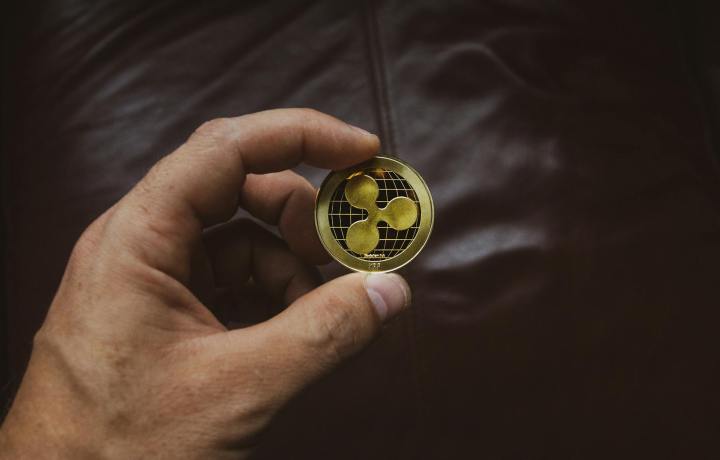
Cryptocurrency has become a popular investment opportunity, attracting everyone from tech enthusiasts to financial experts. However, with so many coins, tokens, and blockchain technology options, starting can feel overwhelming. This guide will walk you through the basics, helping you understand cryptocurrency and giving you tips to get started safely.
1. What is Cryptocurrency?
Cryptocurrency is a form of digital or virtual currency that uses cryptography for secure transactions. Unlike traditional currencies, which are regulated by banks and governments, cryptocurrency operates on a decentralized system called blockchain. This technology is what makes crypto unique—it’s transparent, secure, and resistant to fraud.
2. How Does Blockchain Technology Work?
A blockchain is a public, digital ledger that records every cryptocurrency transaction. Think of it as a chain of blocks, where each block contains data about a set of transactions. This data is encrypted and stored across a network of computers, making it nearly impossible to alter. Each participant has a copy of the ledger, ensuring transparency and preventing tampering.
Quick Fact: Bitcoin, the first cryptocurrency, introduced blockchain technology to the world in 2009, and it has since become a standard for the crypto industry.
3. Popular Cryptocurrencies to Know
There are thousands of cryptocurrencies, each with unique purposes and functions. Here are a few key players:
- Bitcoin (BTC): The original and most widely known cryptocurrency, often referred to as “digital gold.” Bitcoin is a store of value and is widely accepted by retailers and online platforms.
- Ethereum (ETH): Known for its smart contract capabilities, Ethereum is a favorite for developers building decentralized applications (dApps) on its blockchain.
- Ripple (XRP): Designed to facilitate fast, low-cost cross-border transactions, Ripple is popular with financial institutions.
- Litecoin (LTC): Often called the “silver” to Bitcoin’s “gold,” Litecoin is designed for fast, low-cost transactions and is commonly used for everyday purchases.
Quick Tip: Research each cryptocurrency carefully. They all serve different purposes, and understanding these can help you make informed investment decisions.
4. Risks of Investing in Cryptocurrency
While cryptocurrency offers exciting opportunities, it’s also a volatile market. Prices can fluctuate drastically in minutes, which makes it a risky investment. Here are some common risks:
- Market Volatility: Crypto prices can be highly unpredictable, leading to the possibility of significant financial loss.
- Security Concerns: Hackers target exchanges and wallets, so protecting your investments with secure passwords and two-factor authentication is essential.
- Regulatory Uncertainty: Since cryptocurrency operates in a largely unregulated space, governments worldwide are still defining their policies. Future regulations could impact the value and legality of certain coins.
Quick Tip: Never invest more than you’re willing to lose. Cryptocurrencies can be rewarding, but the risks should always be considered.
5. Getting Started: How to Buy Cryptocurrency
If you’re ready to begin investing, here’s a step-by-step guide to getting started:
- Choose a Reputable Exchange: Popular options include Coinbase, Binance, and Kraken. These platforms offer user-friendly interfaces and various cryptocurrencies.
- Set Up a Wallet: A cryptocurrency wallet allows you to store and secure your digital assets. For beginners, exchange wallets are convenient, but for higher security, consider a hardware wallet like Ledger or Trezor.
- Start Small and Diversify: Invest a small amount initially, and avoid putting all your funds into one coin. Diversification can help you manage risk.
- Stay Updated: The crypto world is constantly evolving. Follow reliable news sources and monitor market trends to make well-informed decisions.
Quick Tip: Understand the fees and transaction limits on your exchange before buying. Each platform has different fee structures that can affect your profits.
6. The Future of Cryptocurrency: Trends to Watch
The world of cryptocurrency is growing rapidly, with new trends and advancements every year. Here are a few emerging areas:
- DeFi (Decentralized Finance): DeFi is revolutionizing traditional financial services like lending and borrowing, making them accessible to anyone with internet access.
- NFTs (Non-Fungible Tokens): These unique digital assets have gained traction in art, gaming, and entertainment, offering a new way to own and trade digital content.
- CBDCs (Central Bank Digital Currencies): Some governments are exploring their own digital currencies, like China’s digital yuan, which could impact the adoption of decentralized cryptos.
Final Thoughts
Cryptocurrency is a promising investment frontier, but it’s essential to proceed with caution. Educate yourself, understand the risks, and start small. By staying informed and making careful decisions, you can navigate the crypto market with confidence.
Remember, the world of crypto is still evolving, and every new trend or innovation could open up new possibilities. Happy investing!
-
The Advantages of Using Cypherock X1 for Cryptocurrency Enthusiasts
Introduction
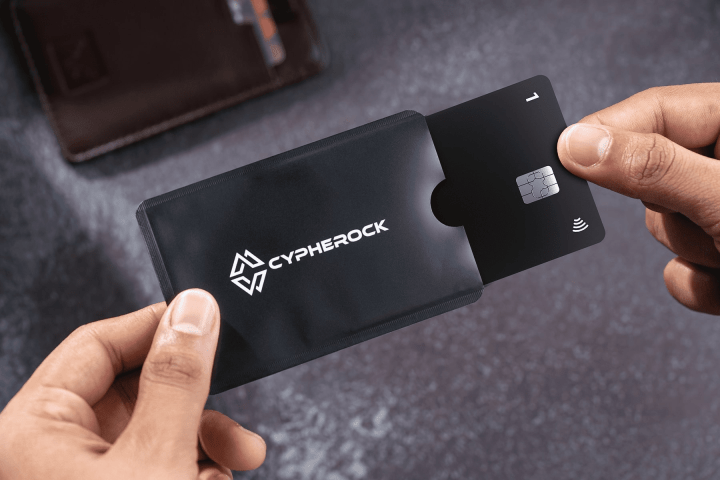
Security remains a top priority for both enthusiasts and investors in the rapidly evolving world of cryptocurrencies. Finding a secure and dependable solution can be a difficult task due to the abundance of digital asset storage options. The Cypherock X1 is a hardware wallet that seamlessly integrates user-friendly features with state-of-the-art technology. This article will investigate the benefits of employing the Cypherock X1 wallet and the reasons it is an optimal option for cryptocurrency enthusiasts.
1. Enhanced Security Features
The security of their assets is a primary concern for cryptocurrency holders. The Cypherock X1 hardware wallet provides a multi-layered security approach that guarantees the protection of your cryptocurrencies. The Cypherock X1 operates offline, which significantly reduces the risk of unauthorized access, in contrast to traditional wallets that are susceptible to online threats and hacks.
Shamir Secret Sharing is the term used to describe the wallet’s utilization of a distinctive seed phrase that is divided into multiple components. This method ensures that your funds are safeguarded, even if a single component is compromised, as the full access key is necessary to recover your assets. This feature not only improves security but also provides users with an additional layer of assurance.
2. User-Friendly Interface
For those who are unfamiliar with the cryptocurrency industry, the process of navigating it can be particularly challenging. The Cypherock wallet is engineered with the user in mind, boasting an intuitive interface that simplifies the management of your digital assets. The device is effortless to configure, and users can effortlessly comprehend the process of managing, receiving, and sending their cryptocurrencies without the need for extensive technical expertise.
3. Multi-Currency Support
As the cryptocurrency market continues to grow, the number of currencies that are supported also increases. Designed to accommodate a variety of cryptocurrencies, the Cypherock X1 is an excellent option for enthusiasts with a wide range of portfolios. Regardless of whether you possess Bitcoin, Ethereum, or other altcoins, the Cypherock X1 wallet guarantees that you can oversee all of your digital assets from a single, secure location.
4. Convenient Backup and Recovery
The Cypherock wallet provides a reliable backup and recovery system, which can mitigate the catastrophic consequences of losing access to your cryptocurrency. Users can securely generate backups through the Shamir Secret Sharing feature. If your wallet is lost or damaged, you can ensure that you have a dependable recovery process by dividing the recovery seed of your wallet into multiple shares.
This user-friendly backup solution provides users with the ability to reclaim their funds without the concern of permanent loss, a substantial advantage in the realm of digital assets.
5. Continuous Firmware Updates
The cryptocurrency landscape is rapidly evolving, with the emergence of new security threats and updates regularly. The Cypherock X1 wallet is guaranteed to receive continuous firmware updates, ensuring that your device is secure and equipped with the most recent security features. This dedication to continuous improvement guarantees that users are perpetually safeguarded from emerging vulnerabilities, rendering it an investment that is future-proof for cryptocurrency enthusiasts.
6. Excellent Customer Support
Having access to dependable customer support can significantly enhance your experience with any purchased product. The team responsible for the Cypherock wallet is committed to delivering exceptional customer service. The support team is prepared to provide assistance and ensure that users feel informed and confident while using their hardware wallet, whether they have questions about setup, features, or troubleshooting.
Conclusion
The Cypherock X1 provides a plethora of benefits for cryptocurrency enthusiasts who are interested in improving the security of their digital assets and simplifying the management process. From its user-friendly interface and multi-currency support to its continuous updates and multi-layered security features, the Cypherock X1 wallet is an alluring option for those who are dedicated to protecting their cryptocurrencies.
If you’re interested in experiencing the benefits of the Cypherock X1 for yourself, consider checking it out atThe Crypto Merchant and take the first step towards securing your digital future.
-
College Life can be Exciting But Also Challenging

Introduction
College life can be exciting but also challenging. With assignments, exams, and an ever-growing workload, effective study methods and digital resources can be game-changers for students looking to stay on top of their studies. This guide introduces top study hacks, productivity tools, and digital resources—especially eBooks—that make acing your classes easier and more manageable.
1. How to Create a Personalized Study Routine That Works
- Setting Study Goals and Priorities
Creating a personalized study routine starts with setting clear academic goals. Divide your semester into manageable chunks, focus on specific skills or courses, and break down long-term goals into achievable short-term tasks. A digital planner can be invaluable for tracking progress, and with eBooks, students can easily organize study material for each goal. - Using a Digital Planner or App
Apps like Google Calendar or MyStudyLife make it easier for students to create and stick to study schedules. Set reminders for upcoming exams or assignment deadlines, and integrate digital resources like eBooks for on-the-go studying. This allows you to review important chapters and notes anytime, whether you’re at the library, your dorm, or on your commute.
2. Boosting Retention with Active Study Techniques
- Using the Feynman Technique
This powerful technique involves teaching a concept in simple terms, enhancing retention and understanding. Start by explaining the topic as if you’re teaching a friend, using accessible language. Keep your eBooks open for quick reference or examples, which can help you dive deeper into complex topics. - The Power of Digital Flashcards
Digital flashcards allow you to reinforce important information and promote active recall. Use apps like Quizlet or Anki in tandem with eBooks to create flashcards from key concepts or definitions. By linking flashcards with your eBooks, you can reinforce your understanding with examples or detailed explanations from your texts.
3. Making the Most of Digital Study Resources
- Exploring Subject-Specific eBooks
Choosing the right eBooks by subject can make study sessions more targeted and effective. For instance, STEM students can benefit from specialized eBooks in math or physics, while business majors might look for digital resources on finance or marketing. Subject-specific eBooks make it easy to access tailored resources for each course. - Using Online Study Platforms
In addition to eBooks, platforms like Khan Academy, Coursera, or EdX offer supplementary courses to reinforce difficult topics. If you find a challenging subject in your curriculum, consider taking an online class alongside reading your eBook for a more well-rounded understanding. These platforms can also help prepare for exams with practice exercises and video lectures.
4. Maximizing Productivity with eBook Features
- Highlighting and Note-Taking
eBooks offer features that can simplify the studying process, such as highlighting and note-taking. While reading, use the highlight feature to mark important passages, making it easy to review the essentials later. This is a significant advantage over physical books, where marking pages is more limited and less organized. - Making Annotations for Quick Reviews
Annotations allow students to add notes directly in the margins of their eBooks, similar to jotting down ideas in a notebook. This feature helps you personalize your study materials, and when it’s time for exam review, your notes are already organized in one place, making studying more efficient.
5. Saving Money and Time with Digital Textbooks
- Why Digital is Cheaper
Digital textbooks offer a more budget-friendly alternative to physical books. They typically cost less and eliminate additional expenses like shipping. Plus, you don’t have to worry about wear and tear, making eBooks a cost-effective and durable choice for college students on a budget. - Finding Discounts on eBooks
Many eBook stores offer discounts, particularly for students. Look out for student discounts, free trials, or promotional offers when buying eBooks. Your store can be a valuable resource, as it may have regular deals or student pricing specifically designed to ease financial pressures.
6. Self-Care for Study Success
- Incorporating Breaks and Physical Wellness
College life often leads to burnout if students don’t prioritize self-care. Regular breaks, proper nutrition, and exercise are vital to sustaining energy levels for studying. Encourage students to use eBooks on wellness, mental health, or mindfulness, which can provide techniques for managing stress and maintaining a balanced lifestyle. - Mindfulness Resources for College Life
Mindfulness has proven benefits for concentration and mental clarity, especially under academic pressure. Recommend mental health or stress management eBooks that offer practical techniques. Practicing mindfulness can also improve focus, making study sessions more productive and less stressful.
7. Career Planning and Building Professional Skills
- Career Guidance eBooks
As students prepare for their future careers, eBooks focusing on resume writing, job hunting, and skill development can be incredibly valuable. They provide practical guidance that students can refer to over time, helping them prepare for life beyond college. - Creating a Strong Resume and Online Profile
Many eBooks cover essential career skills, such as creating LinkedIn profiles or personal websites. Encourage students to start building a strong online presence early, as this can be invaluable for job searching and networking.
8. Essential Digital Tools for College Students
- Top eLearning Platforms for College Students
Platforms like Udemy and Coursera can complement eBooks by providing in-depth lessons on specific topics, helping students gain a competitive edge in their field of study. - Best eBook Readers and Apps for College
Highlight eReader apps that work well with digital textbooks, such as Kindle, Apple Books, and Adobe Digital Editions. These apps make it easy to access eBooks across devices, letting students study anywhere and anytime without carrying heavy textbooks.
FAQs: Study Tips and Digital Resources for College Students
- What are the best study techniques for college students?
Answer: Techniques like active recall, spaced repetition, and note-taking strategies can improve learning efficiency. Digital resources like eBooks with highlighting and annotation features also support these methods. - How can digital textbooks help with studying?
Answer: Digital textbooks are portable, searchable, and often cheaper. With features like highlighting, note-taking, and search, eBooks make it easier to review key topics quickly. - How can I save money on college textbooks?
Answer: Opt for digital textbooks, look for student discounts and deals , and explore options for rentals and used eBooks to cut costs. - What’s the best way to organize my study schedule?
Answer: Use a digital planner or app to structure your time effectively, setting small, achievable goals for each day or week. - Are there digital tools for managing stress?
Answer: Yes, apps like Calm or Headspace, and eBooks on mindfulness and stress management, can be excellent resources for students.
Conclusion
With a mix of effective study strategies and digital resources, college students can optimize their learning experience and achieve success with less stress. Digital resources like eBooks offer affordability, convenience, and advanced study features. Explore the variety of digital tools and eBooks available at your eBook store, and set yourself up for a successful college experience.
- Setting Study Goals and Priorities
 Crypto Travel