
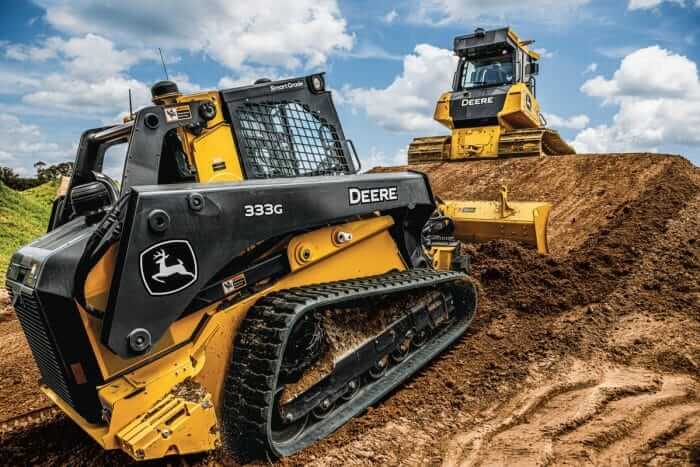
The world of construction and land management has always relied on powerful machines, but in recent years the focus has shifted toward attachment-based versatility. Rather than expanding fleets, more operators are choosing tools that allow one machine to perform multiple roles. The Skid Steer Dozer Blade is a perfect example of this evolution — a compact, highly controlled tool that transforms a skid steer into a precise earthmoving and snow-handling system.
Its efficiency isn’t just about raw strength. It’s about intelligent engineering, operator control, and the ability to adapt quickly to fast-changing jobsite needs.
Re-thinking the Blade: Why Modern Sites Rely on Attachments
Construction, agriculture, and municipal operations are increasingly looking for tools that help them do more with fewer machines. A skid steer equipped with a dozer blade can serve as a snow plow, a grading tool, a leveling implement, and a debris-pushing attachment — all in one compact setup.
The key advantages that make dozer blades stand out include:
- Multi-directional control, allowing precise push angles
- Adjustable skid shoes for terrain adaptability
- Quick-mount compatibility for fast attachment changes
- Compact maneuverability, which outperforms larger machines in tight spaces
This shift is part of a larger trend: unlocking value through modular equipment design. Just like software benefits from plug-ins and extensions, skid steers become exponentially more useful through attachments.
Precision Engineering: Small Machine, Big Capability
What makes this particular attachment effective is not just its ability to move material — many machines can do that. The standout feature is precision.
A 30° hydraulic angle adjustment allows operators to push snow, soil, gravel, or debris exactly where they want it. Whether clearing driveways, shaping ground contours, or preparing jobsite grading, directional control reduces time spent revisiting the same path.
The bolt-on cutting edge is another critical engineering choice. It allows:
- Cleaner scraping
- Reduced blade wear
- Easy replacement for long-term value
Meanwhile, adjustable skid shoes prevent the blade from digging too aggressively into soft or uneven terrain, preserving both the site and the blade during operation.
Why Operators Prefer Attachments Over Larger Machines
From a practical standpoint, a skid steer dozer blade solves a recurring problem: the need for precision in environments where larger machines are either too cumbersome or too costly to operate.
Users benefit from:
- Lower operating costs
- Faster deployment
- Less fuel consumption
- Better maneuverability in tight urban or residential zones
For municipal snow contractors, landscape professionals, and construction teams, this means being able to dispatch one versatile machine instead of maintaining multiple specialized vehicles.
A Tool Designed for the Real World
While engineering discussions often focus on specs and performance, real-world users care most about reliability and workflow improvements. A dozer blade attachment like this supports:
- Snow removal in winter
- Rough grading during groundwork
- Land clearing ahead of construction
- Material pushing for landscaping projects
Its universal quick-mount plate ensures compatibility with most skid steers, removing friction from the setup process — the equipment equivalent of clean, reusable code.
Final Thoughts: Practical Innovation at Jobsite Scale
In many ways, the skid steer dozer blade mirrors trends in software: modularity, adaptability, and efficiency. Instead of relying on large machines to solve every problem, operators now unlock capability through smart, focused attachments.
For teams aiming to work faster, cleaner, and with greater accuracy, the Skid Steer Dozer Blade is more than a tool — it’s a workflow enhancement. It offers the precision of a larger grader, the mobility of a compact machine, and the reliability required in demanding environments.
It is engineering built for everyday problem-solving, making it a natural fit for anyone committed to productivity and innovation.

 Crypto Travel