
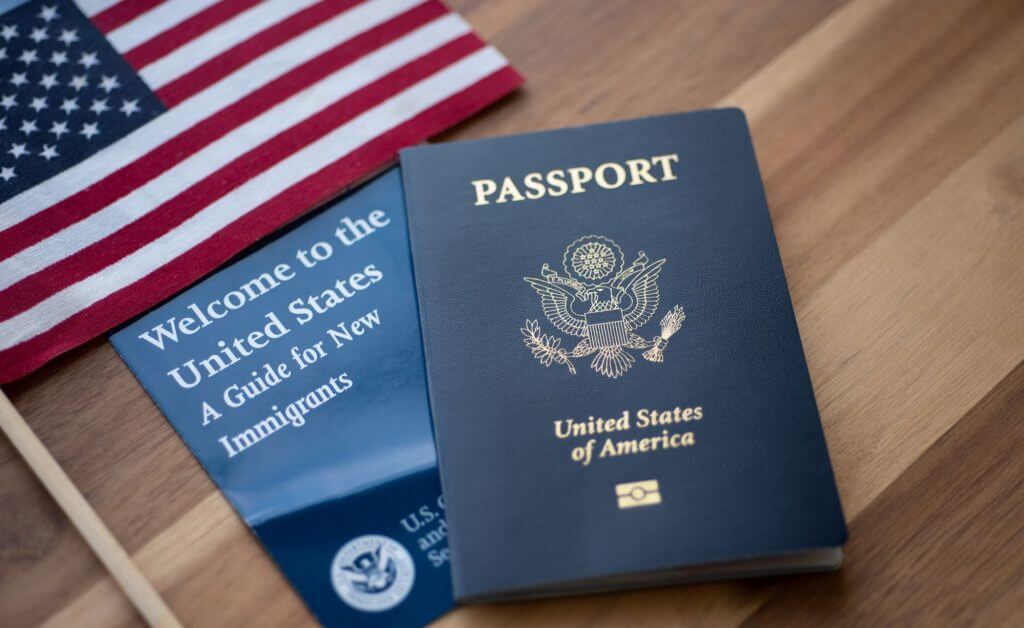
Adjustment of Status (AOS) is one of the most important—and often misunderstood—processes in U.S. immigration law. For thousands of immigrants already residing in the United States, it provides a direct pathway to becoming a lawful permanent resident without having to return to their home country. While the process offers significant benefits, it also requires careful planning, extensive documentation, and strict adherence to eligibility requirements.
What Is Adjustment of Status?
Adjustment of Status is a procedure that allows individuals physically present in the United States to apply for a green card (lawful permanent residence) without leaving the country. Instead of undergoing consular processing abroad, eligible applicants submit their paperwork to U.S. Citizenship and Immigration Services (USCIS) and complete interviews at a local USCIS office.
This process is often used by family-based immigrants, employment-based applicants, asylum seekers, and certain humanitarian categories.
Who Is Eligible for Adjustment of Status?
Eligibility for AOS depends on the applicant’s immigration category and history. In general, a person may qualify if:
1. They are physically present in the U.S.
AOS is only available to individuals currently inside the United States.
2. They were inspected and admitted or paroled
Most applicants must have entered the country lawfully.
Exceptions exist, such as for individuals covered under Section 245(i), VAWA self-petitioners, certain special immigrant categories, and others.
3. They have an approved or concurrently filed immigrant petition
Examples include:
- Form I-130 (family-based petition)
- Form I-140 (employment-based petition)
- Form I-730 (refugees and asylees)
- Diversity Visa selectees
4. A visa is immediately available
For many categories, the Visa Bulletin determines whether an applicant can file or must wait.
5. They are admissible to the U.S.
Applicants must not fall under grounds of inadmissibility, such as certain criminal offenses, health issues, immigration violations, or fraud. Some grounds may be waived through available waivers.
Key Benefits of Adjustment of Status
● No international travel required
Applicants avoid consular interviews abroad, which may be risky for those with prior immigration violations.
● Ability to apply for work and travel authorization
Once Form I-485 is filed, applicants can request an Employment Authorization Document (EAD) and Advance Parole (AP).
● Potential for “one-step” filing
Marriage-based and some employment-based categories allow concurrent filing of the immigrant petition and I-485, speeding up the process.
● Legal protection while the application is pending
Applicants generally receive a period of authorized stay while USCIS processes their case.
The Adjustment of Status Process: Step-by-Step
1. Submit the required forms
Typical filings include:
- Form I-485 (primary AOS application)
- Form I-130 or I-140, if not already approved
- Form I-864 (Affidavit of Support) for family cases
- Form I-765 (work permit) and Form I-131 (travel permit)
2. Attend a biometrics appointment
USCIS collects fingerprints, photographs, and signature for background checks.
3. Respond to any Requests for Evidence (RFEs)
USCIS may request additional documents to verify eligibility.
4. Attend the AOS interview
Most applicants meet with a USCIS officer to confirm the authenticity of their relationship or offer clarifications regarding their case.
5. Receive a decision
If approved, the applicant becomes a lawful permanent resident and receives their green card.
Common Challenges in Adjustment of Status Cases
● Gaps in status or unauthorized employment
While immediate relatives of U.S. citizens may overcome these issues, others may not.
● Prior immigration violations
Misrepresentation, unlawful entry, or removal orders can complicate eligibility.
● Insufficient financial sponsorship
Applicants must prove they will not become a public charge.
● Incomplete or inaccurate filings
Simple errors can lead to denials or lengthy delays.
Tips for a Successful AOS Application
- Stay organized: Maintain copies of all documents and forms.
- Double-check eligibility: Small immigration-history details matter.
- Be truthful and consistent: Inconsistencies raise red flags.
- Prepare for the interview: Couples should review relationship history; employment applicants should understand their job details.
- Consider legal guidance: Complex cases often benefit from professional assistance.

 Crypto Travel