
Shipping fragile items can feel like navigating a minefield, especially if you’ve ever received a shattered product. I once received a ceramic vase that looked like it had gone through a war zone, and it was all due to poor packaging. Whether you run an eCommerce store or just need to send a fragile item to a friend, the correct box for shipping can make all the difference. Today, let’s dive into how to choose the best boxes for shipping delicate goods so they arrive safe and sound.
Why Choosing the Right Shipping Box Matters
Fragile items are, well, fragile. Whether you’re dealing with glassware, ceramics, electronics, or anything else prone to breaking, the type of box for shipping you use can make or break (pun intended) the safety of your items. Using the wrong kind of box, even if it’s just a tad too big or too flimsy, can result in damaged goods, unhappy customers, and additional costs for replacements.
If you’re sending a fragile item, you need to think beyond just a box that fits—one that protects. Let’s explain how to select the correct shipping box and packaging materials.
Choosing the Best Box for Shipping Fragile Items1. Pick the Right Size Box
Grabbing a big box and calling it a day is tempting, but oversized boxes can cause more harm than good. When a box is too big, your item will have room to move around, which increases the risk of breakage. Instead, choose a box for shipping that is just large enough to comfortably hold the item while leaving enough space for cushioning materials.
Think about it: Have you ever opened a package and found that the item was bouncing around inside? Even if the box is padded, too much open space can leave fragile items vulnerable to impact during transit. Ideally, you want to limit movement within the box as much as possible.
2. Opt for Corrugated Boxes
Only some boxes will do the shipping of fragile items. You’ll want to use corrugated boxes designed for added strength and durability. Corrugated boxes have multiple layers, making them more rigid than standard cardboard boxes and better at absorbing impacts.
I once made the mistake of using a flimsy box to ship a set of wine glasses to a customer. Needless to say, they didn’t survive the journey. Since then, I’ve relied exclusively on corrugated boxes for anything remotely breakable—lesson learned!
3. Use Double Boxing for Extra Protection
Double boxing is an excellent strategy if the item is particularly fragile or valuable. It involves placing the item inside a box, padding it thoroughly, and then placing that box inside a larger box with even more padding.
This extra layer helps cushion against the impacts that occur during transit. While it may seem overkill, it’s worth it for high-value or highly delicate items. When in doubt, it’s better to overprotect than under-protect.
Packing Material Essentials for Fragile Items
Selecting the correct box for shipping is only part of the equation. Packing materials are equally important for ensuring your fragile items survive the journey. Here are the essentials:
1. Bubble Wrap
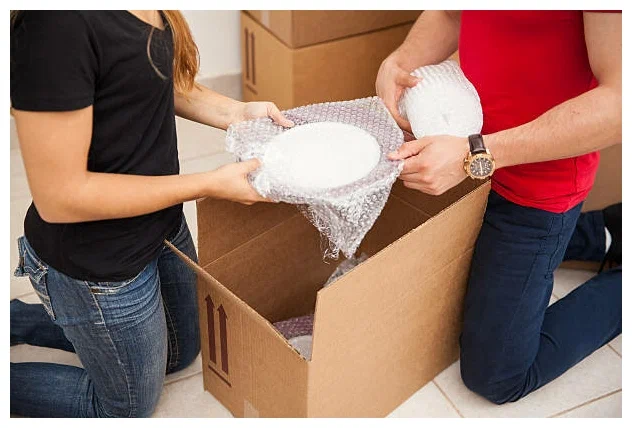
Bubble wrap is a classic, and for good reason. It provides excellent cushioning for fragile items and can be used to wrap items of almost any shape or size. Make sure to wrap your item fully, paying extra attention to corners and edges.
When wrapping items, use multiple layers of bubble wrap. Don’t skimp—if you can’t see the item through the wrap, you’re doing it right.
2. Packing Peanuts
Packing peanuts are great for filling the gaps inside a box. Once your item is wrapped in bubble wrap, place it inside the box and fill any empty spaces with packing peanuts. This ensures that your item stays in place during transit, reducing the chance of damage.
However, be mindful of using peanuts effectively—they should surround your item to keep it from shifting, but not be packed so tightly that they put pressure on it.
3. Foam Inserts and Dividers
Foam inserts and dividers can provide additional stability for particularly delicate items or have multiple components. For example, if you’re shipping a set of wine glasses, foam dividers can prevent them from knocking against each other.
Seal It Up: Taping the Box Correctly
Once your item is securely packed, it’s time to seal up your box for shipping. Use high-quality packing tape—cheap tape can peel off, leaving your package vulnerable. Apply at least three strips of tape along the top and bottom seams of the box, and add extra tape to any corners or edges that seem prone to splitting.
A handy tip I learned after a few mishaps is the “H” taping method: apply tape along the central seam and then across the edges, forming an “H” shape. This method helps reinforce the box, ensuring it stays closed even if tossed around.
Labeling Your Package as “Fragile”
Labeling the package is a crucial but often overlooked step. Marking your box as “FRAGILE” can alert handlers to take extra care. You can use pre-made labels or simply write them in large, bold letters with a permanent marker. While this doesn’t guarantee gentle treatment, it can help reduce the risk.
While you’re at it, include labels such as “This Side Up” to indicate the correct orientation for your package. This is especially useful for fragile items in certain positions.
Handling Specific Fragile Items1. Glassware and Ceramics
Glassware and ceramics require extra attention when being packed. If shipping multiple items in one box, wrap each piece in bubble wrap and place dividers between them. Make sure the bottom of the box is well-padded—a couple of inches of packing peanuts or foam sheets can do wonders for protecting these delicate items.
2. Electronics
Electronics often come with sensitive components that can be easily damaged. Wrap the item in anti-static bubble wrap to avoid any static charge that could harm the device. Double boxing is beneficial with electronics, as it adds a protective layer against shocks.
3. Artwork and Mirrors
For flat, fragile items like artwork and mirrors, use a specialty box for shipping flat objects. Corrugated boxes are plentiful here, providing enough rigidity to protect against bending. Use edge protectors and ample bubble wrap, and consider double boxing for additional security.
The Best Source of Boxes for Shipping Fragile Items
If you need shipping boxes that provide durability and quality protection, consider The Boxery. The Boxery offers a wide selection of corrugated boxes, packing materials, and shipping supplies designed to help ensure your items arrive safely. They understand that choosing the correct box for fragile items is vital to customer satisfaction and a worry-free shipping experience.
Final Thoughts
Shipping fragile items doesn’t have to be stressful if you follow a few essential practices: choosing the right shipping box, using proper padding materials, and double-boxing when necessary. Remember, the goal is to ensure that whatever you’re shipping reaches its destination in one piece, starting with using high-quality materials and packing the right way.
Whether you’re an eCommerce seller or just sending a thoughtful gift, investing in proper packaging—like those found at The Boxery—is always worth it. It’s the difference between a customer’s smile and the hassle of dealing with returns or replacements.
Take the time to pack it right, and your fragile items will thank you for always arriving safely.

 Crypto Travel