
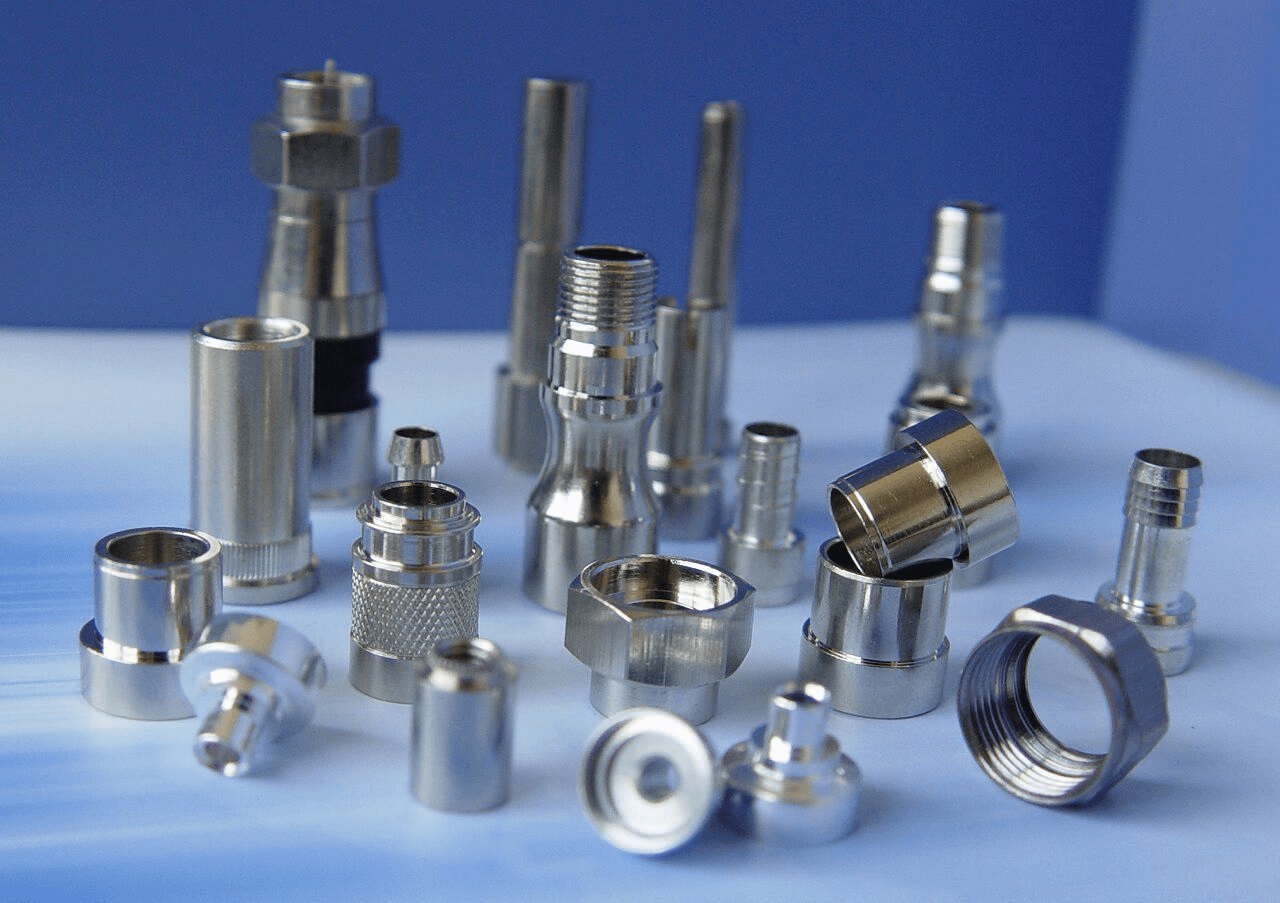
Introduction:
CNC stands for “Computer Numerical Control”. It is a type of machine tool that uses computer programming to automate the process of cutting, drilling, or shaping materials such as metal, plastic, or wood. It replaces manual operations with automated ones for increased accuracy, efficiency, and repeatability.
In this article, we will talk about the CNC machine spare parts supplier and also its importance.
Benefits of CNC Machine:
Following are the benefits of CNC Machine:
Increased accuracy:
CNC machines use precise computer control to carry out cutting and shaping operations, leading to greater accuracy and repeatability compared to manual operations.
Improved efficiency:
CNC machines can operate 24/7 without fatigue, leading to increased productivity and reduced production time.
Increased versatility:
CNC machines can handle a wide range of materials and perform multiple operations, leading to increased versatility in manufacturing processes.
Reduced labor costs:
Automated CNC operations eliminate the need for manual labor, reducing labor costs and allowing for the allocation of resources to other areas of the production process.
Improved safety:
CNC machines reduce the risk of workplace accidents by minimizing the need for manual operations, such as drilling and cutting by hand.
Enhanced product quality:
The increased accuracy and repeatability of CNC operations lead to improved product quality, resulting in reduced waste and increased customer satisfaction.
Importance of CNC Machine Spare Parts:
Machine uptime:
Having spare parts readily available ensures that CNC machines can be quickly repaired and returned to operation, reducing downtime and maintaining production schedules.
Cost savings:
Using spare parts rather than purchasing new machines can reduce the overall cost of maintenance and repair.
Maintenance planning:
Having a stock of spare parts on hand enables maintenance teams to plan repairs and maintenance proactively, reducing the likelihood of unexpected breakdowns.
Improved equipment reliability:
Regular maintenance and replacement of wear parts can extend the lifespan of CNC machines, improving equipment reliability and reducing the need for costly repairs.
Consistent performance:
Regular maintenance and replacement of spare parts ensures that CNC machines continue to perform at peak levels, providing consistent, high-quality results.
Compliance with safety regulations:
Replacing worn or damaged parts ensures that CNC machines continue to operate safely and in compliance with regulations, reducing the risk of accidents and liability.
How to find a good supplier?
For finding a good CNC Machine spare parts supplier. You need to keep in mind something which I have mentioned below:
Research:
Look for suppliers with a good reputation and a history of providing high-quality products. Check online reviews, industry forums, and testimonials from previous customers.
Product quality:
Look for suppliers who offer high-quality spare parts, with a focus on durability, reliability, and compatibility with your CNC machines.
Technical expertise:
Choose a supplier with technical expertise and experience in the CNC industry. They should be able to provide knowledgeable support and advice when choosing and installing spare parts.
Inventory:
Look for suppliers who maintain a large inventory of spare parts, ensuring that you can quickly obtain the parts you need to keep your machines running smoothly.
Price:
Consider the cost of the spare parts, but don’t base your decision solely on price. Choose a supplier who offers good value for money, with high-quality products at reasonable prices.
Delivery:
Choose a supplier with a reliable delivery system, ensuring that you receive your spare parts quickly and efficiently, minimizing downtime and disruption to your production processes.
Things to Consider before buying CNC Machine Spare Parts:
Compatibility:
Ensure that the spare parts are compatible with your CNC machines, taking into account the make, model, and specifications.
Quality:
Look for high-quality spare parts that are durable, reliable, and built to last.
Lead time:
Consider the lead time for delivery, as well as the availability of the parts in the event of an emergency.
Cost:
Consider the cost of the spare parts and ensure that you are getting good value for money.
Brand reputation:
Choose spare parts from reputable brands with a history of producing high-quality products.
Technical support:
Ensure that the supplier provides technical support and can assist with installation and troubleshooting, if required.
Warranty:
Look for spare parts with a warranty, offering protection against defects or malfunctions.
Availability:
Consider the availability of the spare parts and ensure that the supplier has a reliable stock management system to avoid any delays or disruptions to your production processes.

 Crypto Travel