
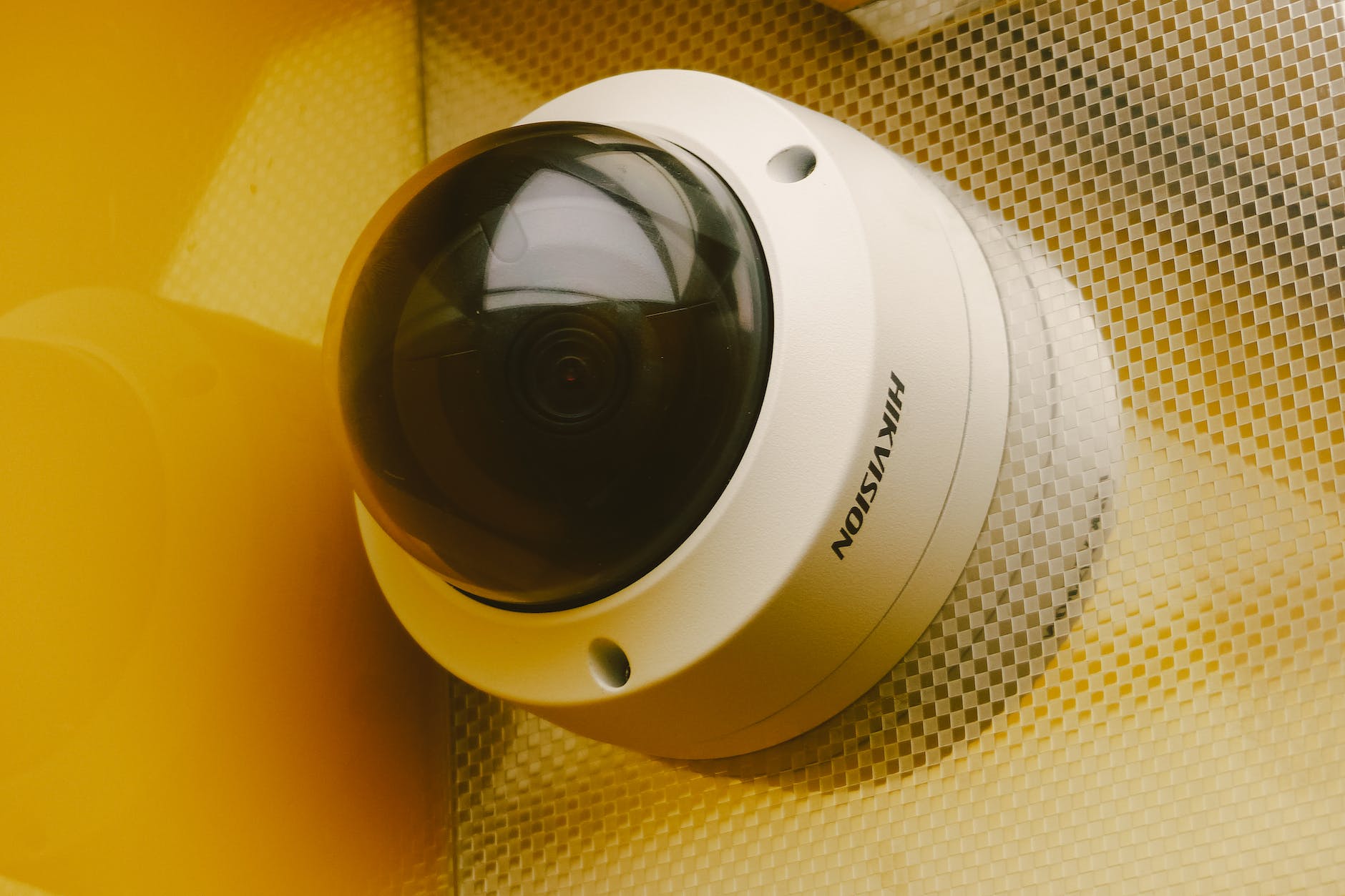
When correctly installed, wired and wireless security camera systems for commercial buildings offer 24-hour security. security camera installation does not have to be difficult, but there are a few things to consider. In certain circumstances, you may even be able to install a simple CCTV surveillance system yourself. However, it is usually more cost-effective to have it installed by experienced CCTV installers.
Where Should Security Cameras Be Installed?
According to the Bureau of Justice Statistics, the most popular entryways for offenders are the front door, rear door, and first-floor windows. CCTV camera installation services should ensure that important entries, such as front and rear doors and gates, as well as the routes leading up to them, are covered. They should also keep an eye on the windows on the first level, where disaster is most likely to occur. Following that, cameras may be positioned at the building’s corners to record the complete perimeter. Parking lots and garages are other high-risk sites that should be watched 24 hours a day, seven days a week.
It is critical to keep an eye on the field of vision and prevent developing blind spots. Pay attention to lighting as well; situating cameras in well-lit places gives a brighter, sharper picture. Consider cameras that detect body heat using infrared and perform similarly to night vision.
Commercial security cameras should be installed high up so that individuals cannot tamper with them – 9 feet from the ground is generally sufficient. Another consideration is whether you want burglars to be able to see your cameras.
Check out this page for additional information on where to place security cameras.
Camera Positioning And Angle
It is critical to evaluate the camera’s distance from its subject when installing a security camera system. At all times, the appropriate regions should be in focus and readily visible. Avoid putting cameras in places where they would be covered by glare; for example, cameras should not face direct sunshine since too much light limits visibility.
Unless it is a circular camera, such as a dome camera, security cameras should be positioned with the lens pointed downward. If you attach a camera to a wall or building, be sure it’s adequately secured so the image doesn’t wobble and distort.
Can Security Cameras Operate in the Dark?
Not all security cameras function well in the dark. Low-light security cameras include a shutter that permits more light to penetrate the camera’s sensor. The more light permitted to penetrate the camera, the brighter the picture. Even these low-light cameras, however, contain digital noise that makes the dark picture seem blurry. Some security cameras are equipped with 2D and 3D digital noise reduction to fight this fuzzy picture. Some security cameras now include infrared light, which is undetectable to the human eye but detectable by a security camera’s sensor.

 Crypto Travel