You’re starting a brand new art collection, which means you’re chomping at the bit, wondering what to invest in first. While it’s easy to assume the answer is a particular work of art, that’s often the first mistake many new collectors make. Do you want to start your new hobby with regrets?
Before you invest in artwork, you need to invest in your education. Understanding how to start collecting art means understanding the role of trends and relationships. Learning about the market is critical to curating a personal art collection you can be proud of.
Time is money, however, and you’ll need that capital if you’re going to pursue this hobby seriously. That’s why we’ve created this brief crash course in contemporary art collecting for beginners. We’ll provide a primer with all the details you need to start collecting with confidence.
Keep reading to learn the ins and outs of collecting art for the first time.
How to Start Collecting Art
A hobby like art collecting is only satisfying if you feel competent and confident. Below, we’ve gathered three tips to help you simultaneously educate yourself and find your niche in the art world.
Develop Your Visual Palate
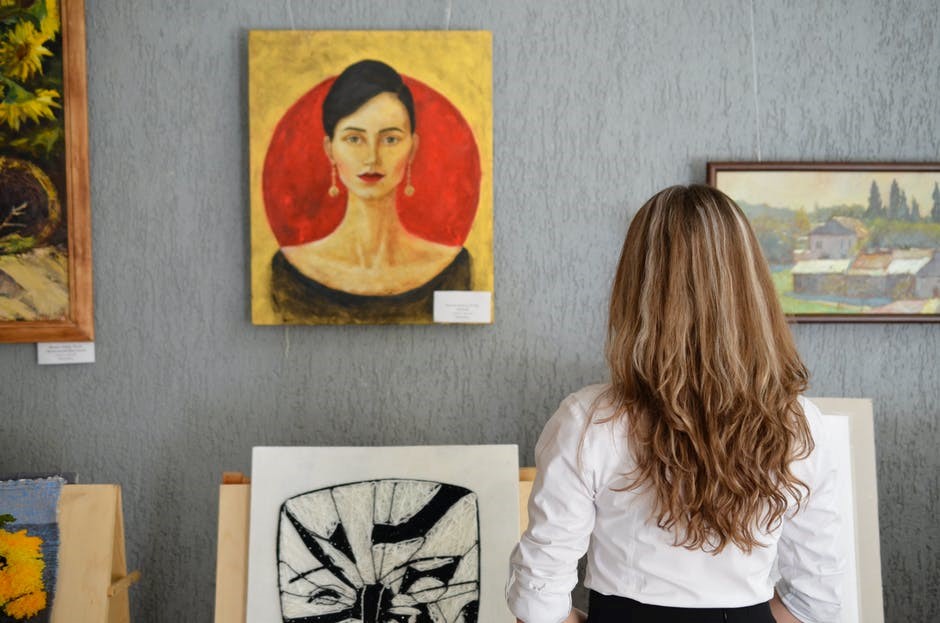
The first step to curating an art collection is understanding your unique tastes. To better understand your personal aesthetic, you need a strong understanding of what type of work is out there. Your exploration might begin with a visit to your local contemporary art museum, where you can dive deeply into the questions working artists are asking today.
From there, branch out to explore more niche galleries and art fairs. Slowly but surely, you’ll notice yourself gravitating toward some pieces, styles, and artists over others. Ask yourself what they have in common, and use that information as a starting point when seeking out more of the same.
Start Locally
There’s no need to travel from auction house to auction house to compete with serious collectors. Often, the best art collections begin in your city’s downtown. Small local galleries offer unique contemporary artworks at affordable price points and may even help you connect with a local artist.
Don’t just stick to one local gallery, however. A tour of your local art scene can help you get a lay of the land and understand what galleries are really charging for the type of work you enjoy. You can also learn what other local art collectors find exciting and what work is flying off the walls.
Investigate Cryptoart
Some of the greatest artists today aren’t working on canvases. The world of Cryptoart is making art collecting more accessible than ever. The blockchain ensures you’ll have verified ownership of every piece you acquire, so it’s no different than owning a physical artwork.
Cryptoart is actual artwork created using a digital medium. It isn’t mass-produced or AI-generated. It takes just as much effort and skill to make as traditional art without needing special transportation or storage.
These digital artworks are rare and maintain their own value. However, the NFT world has very different rules from the traditional art world. If this type of art collection interests you, you’ll need to research the unique aesthetic and market value in the crypto world.
Relationships Matter
Collecting art may seem like a solitary hobby, but strong relationships are one key to long-term success.
Foremost, you’ll want to get to know your local galleries from the inside out. Do you know who curates the work there? If you form a relationship, the odds are good that the curator will call you first when they source a new piece that would look great in your collection.
You can also build relationships through philanthropy. It can be challenging for artists to support themselves on art alone. Luckily, there are ample opportunities to support galas, grants, and other initiatives that give back to the community and ensure your favorite creators can afford to keep creating.
Many charity initiatives are either social events in their own right or involve sitting on a panel with other collectors and art professionals. In both cases, you’ll be able to rub elbows with knowledgeable members of the art world. You will learn a lot of inside information through basic networking, plus center yourself as a giver.
Understand the Market
Getting a fair price on a great piece of art begins with research. Start by gathering up auction catalogs and art-collecting books. This can offer a baseline and help you anticipate the prices you might see when you begin acquiring work.
Start on gallery websites if you don’t have physical media to look through. Compare prices on similar pieces in different cities. You’ll begin to notice trends (and make meaningful observations about which galleries are reputable and worth doing business with in the future).
As discussed above, networking can also contribute to how well you understand the art market. Experienced collectors are full of wisdom and will often share what they know with promising emerging collectors.
Offer to buy a cup of coffee for a collector you admire. They will probably be willing to sit down and chat about their journey.
Wisdom for Emerging Art Collectors
If you’re genuinely invested in your future art collection, you must begin by investing your time and energy into learning how to start collecting art. The art world is in constant flux, and only by keeping up with trends and forming relationships can you ensure you remain at the forefront and curate the collection you deserve.
Every hobby worth pursuing begins with education, and crypto is no exception. Check out the rest of the blog for more posts about investing in the present to ensure a brighter, more lucrative future.

 Crypto Travel